
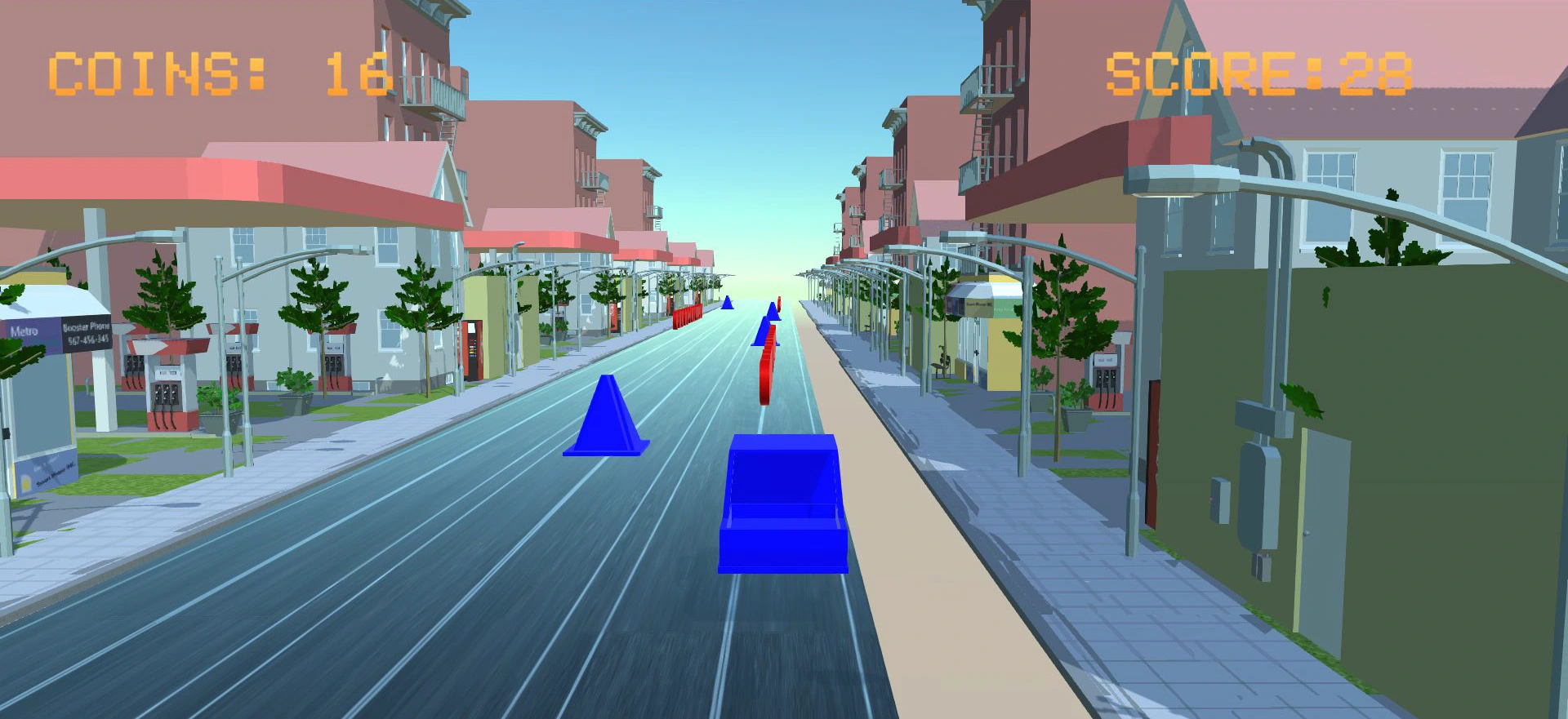
Interaction as the treatment, not the packaging. An interactive visual-stimulation build for amblyopia, designed around what a patient can actually sustain.
The brief
Amblyopia is a developmental disorder in which vision in one eye fails to develop properly. Vsquare Healthcare’s working premise was that exposure to a richer variety of visual detail could support improvement in a way that routine visual tasks do not. They needed that premise built into something a patient would keep doing.
The constraint that shaped it
Clinical context removes the usual escape hatches. The experience had to be tolerable for a patient completing repeated sessions, run predictably on the specified Windows hardware, and stay inside the boundaries the clinician set. Engagement tricks that would be fine in a campaign are not acceptable here.
What we built
- A visual-detail exposure experience structured around repeatable sessions
- Difficulty and stimulus pacing designed for sustained patient tolerance
- A Windows build targeting the clinic’s specified hardware
- Session behaviour agreed with the clinical stakeholder before production
Shipped
Delivered as an internal clinical build. Not publicly distributed.
Results
This is a clinical application. NoveltyVR makes no claim of therapeutic efficacy, regulatory clearance or clinical validation, and no patient outcome data has been shared with us for publication.
What it proves
That the same interaction engineering works where the cost of getting it wrong is real. If a mechanic has to hold a patient’s attention through a course of treatment, holding a shopper’s attention through a product decision is a smaller problem.